





The Magic of Tbilisi
There’s something quietly magical about Tbilisi—something you feel more than see. It’s not just in the pastel balconies or cobbled streets, but in the way the city seems to breathe with you as you wander.
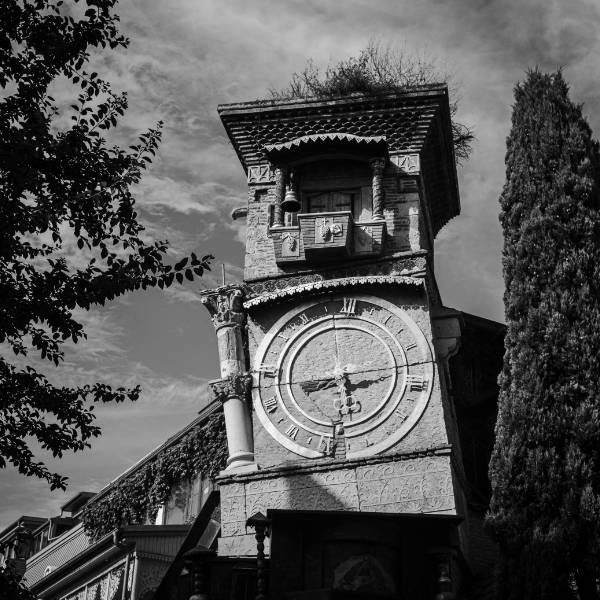
Tbilisi isn’t perfect—and that’s what makes it unforgettable. It’s a city of contrasts: elegant wooden houses leaning over ravines, centuries-old churches tucked between brutalist apartment blocks, wine cellars next to street art. There’s history here, yes—but not locked behind glass. It’s living, layered, and worn into the city’s skin.
The real charm of Tbilisi lies in its spontaneity. A stranger might invite you for coffee and end up telling you their family history over homemade wine. A quiet street can open into a hidden courtyard full of music, laughter, and stories. The line between visitor and local blurs in the most beautiful ways—because hospitality in Georgia isn’t a service, it’s a way of life.
Walk a little slower and you’ll find the hidden magic: vines growing wild along staircases, a grandma selling churchkhela from her window, a moment of silence in a candlelit chapel. You’ll feel it in the early morning haze over the rooftops, in the call to toast at a shared table, in the bittersweet poetry of a city that’s seen so much and still finds ways to dance.
Tbilisi doesn’t ask for your admiration—it earns it slowly. Not through grand attractions, but through moments that feel personal: a conversation on a bench, a melody floating from an open window, a child offering you a piece of fruit just because.
The magic of Tbilisi is that it doesn’t try to impress you. It invites you to feel something real. And if you let it, the city won’t just be a destination—it’ll become a memory that stays with you, long after the trip ends.

Districts
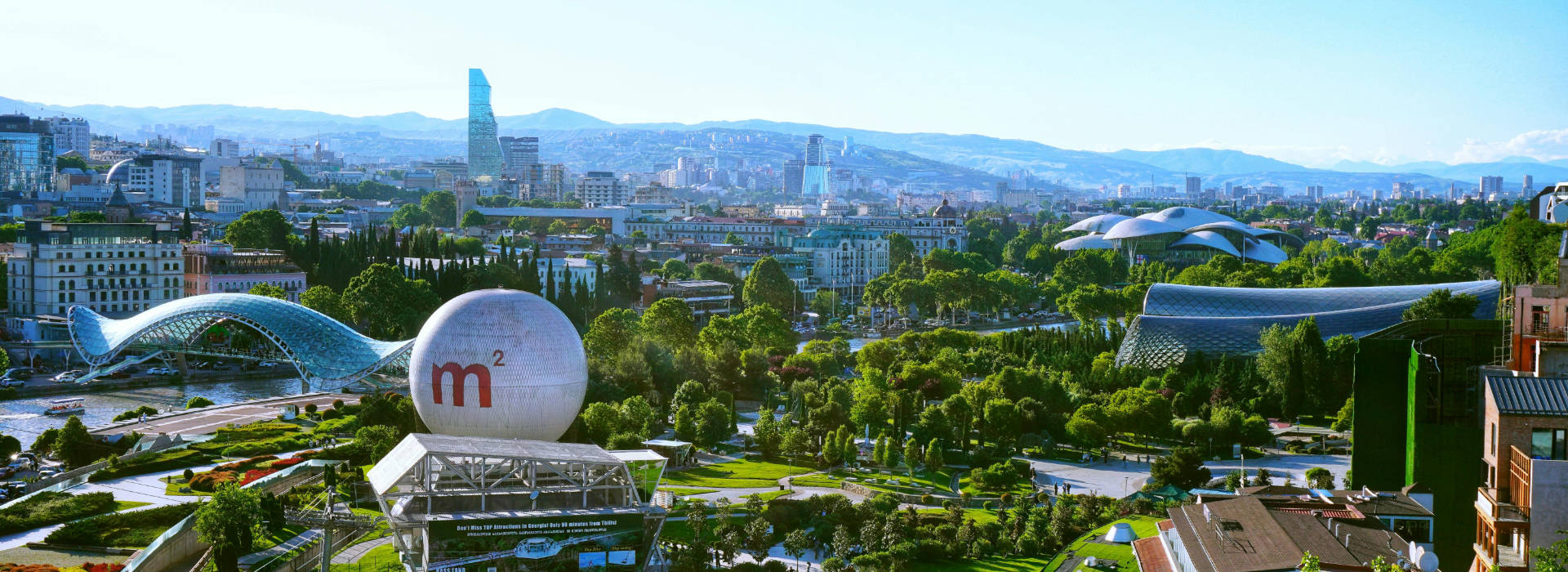
Tbilisi is a city of diverse neighborhoods, each offering a unique slice of Georgian life. From ancient alleyways to modern boulevards, every district has its own rhythm, flavor, and personality.
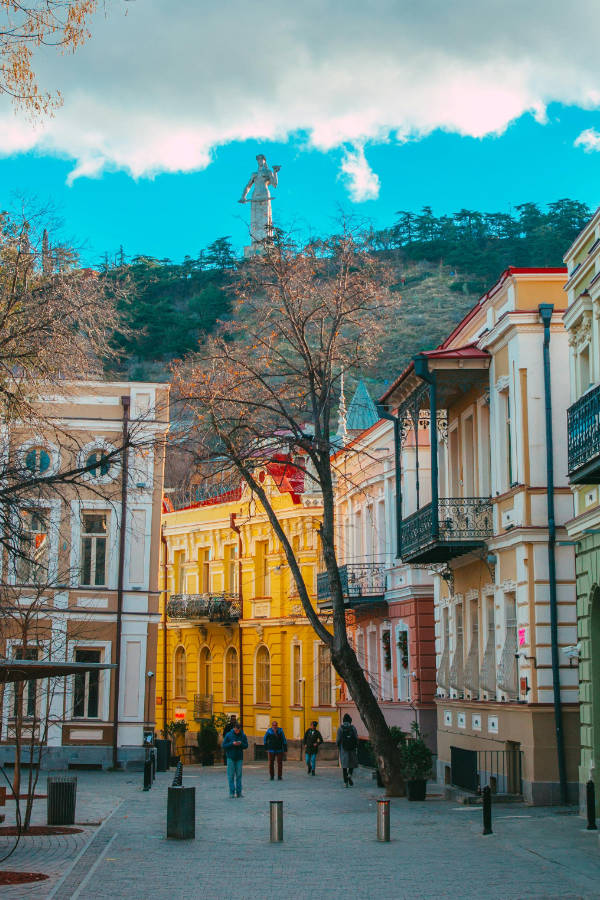
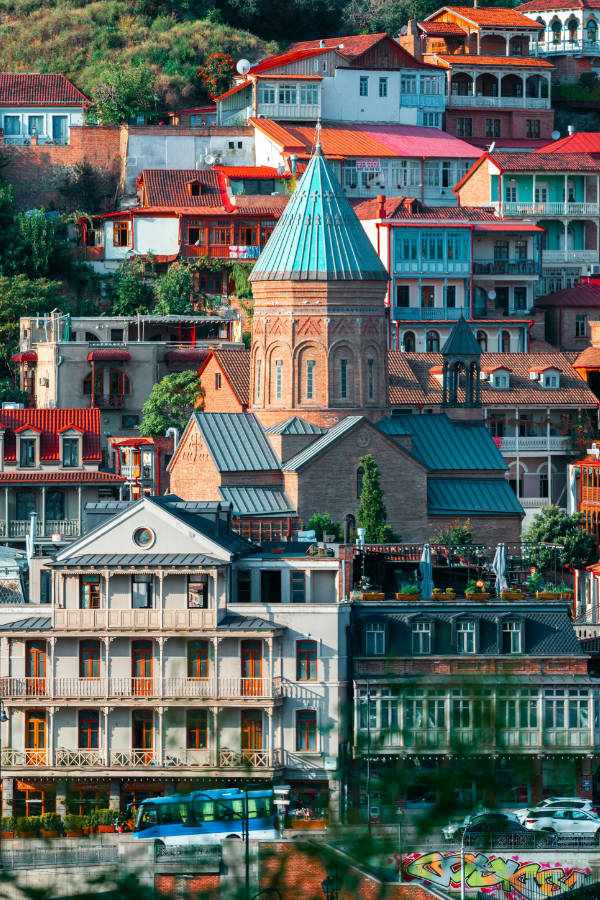
Old Tbilisi is where most visitors start. With its narrow lanes, wooden balconies, and sulfur baths, this is the city’s historic heart. You can explore landmarks like the Narikala Fortress, stroll through Abanotubani, or sip wine in cozy courtyard cafes. The area is perfect for walking—and for getting delightfully lost.
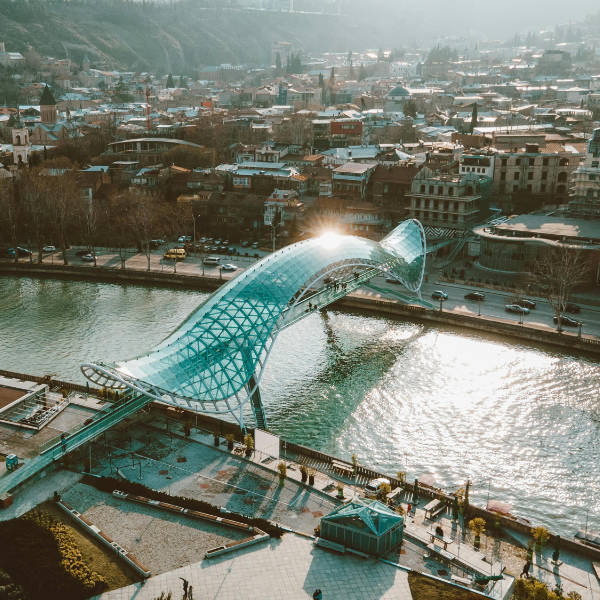
Just across the river lies Avlabari, a quieter, residential district with sweeping views and the striking Sameba Cathedral. It’s great for a slower pace and authentic local life. Nearby, the Metekhi Bridge links you back to the Old Town, offering a stunning sunset view.
Rustaveli Avenue and Freedom Square form the city’s central spine—ideal for museums, shopping, and architecture. The Georgian National Museum and Opera House are cultural highlights, while nearby cafes make for perfect people-watching spots.
For a taste of modern Tbilisi, head to Vera and Vake. Vera is artsy and bohemian, filled with wine bars, indie shops, and music venues. Vake, meanwhile, is leafy and upscale, with the Turtle Lake trail nearby for nature lovers.
Fabrika, in the Marjanishvili district, is a creative hotspot housed in a Soviet-era sewing factory. Now it’s home to artists, travelers, cafes, and events—ideal for meeting people and catching Tbilisi’s youthful energy.
Whether you’re climbing a hill in Sololaki, enjoying a rooftop view in Mtatsminda, or tasting khinkali at a local dive in Didube, every neighborhood reveals another layer of the city. Tbilisi isn’t a place to rush—it’s a city to explore slowly, street by street, one story at a time.