



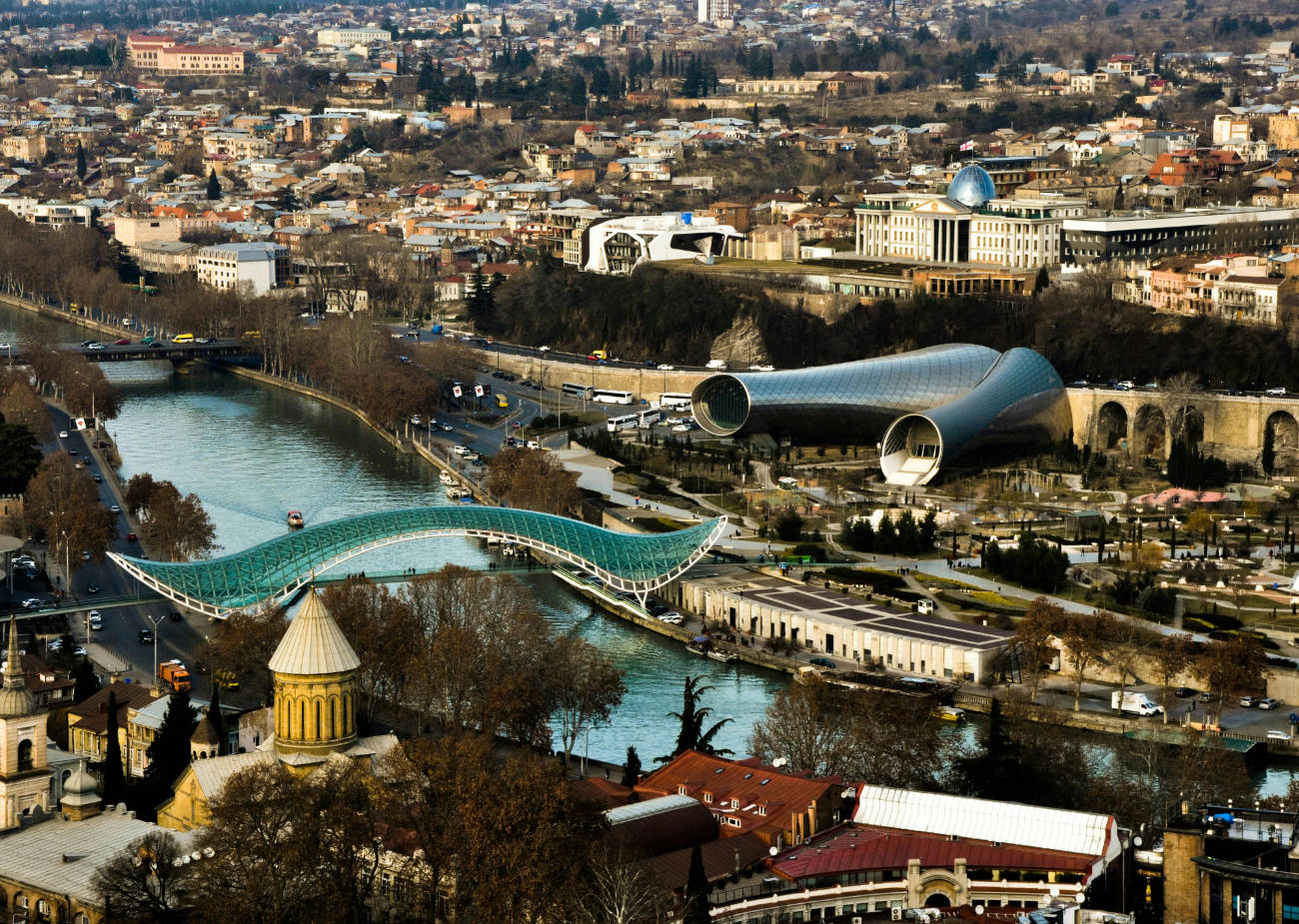
The Best View in Tbilisi Isn’t Where You Think
The View Everyone Knows — and Why It’s Not the Whole Picture
It’s usually the first thing people recommend.
“Go to Narikala,” they say. “You’ll get the best view of Tbilisi.”
And sure—it’s beautiful. The fortress is iconic, the cable car ride is fun, and from up there, you can see the city laid out like a mosaic: rust-colored rooftops, the curve of the Mtkvari River, the hills rolling into blue. You’ll get your panoramic shot. You’ll feel the breeze. And you’ll probably be surrounded by about 30 other people trying to get the same photo.
I’ve been there too. It’s lovely. But something about it always felt… distant. Like I was looking at the city, not feeling it. It was the version of Tbilisi meant for postcards and profile pictures—not the one I’d fallen in love with.
The truth is, there’s more than one kind of “best view.” And the most unforgettable ones? They’re not the highest. They’re not the easiest to find. They’re the ones that surprise you—tucked away behind buildings that don’t look like much, down alleyways without signs, or up stairs that seem like they’re leading nowhere until, suddenly, they’re not.
Those are the views that stay with you.
Because they’re not just about what you see.
They’re about what you feel while you’re seeing it.
Finding the Hidden View — Where the Soul of Tbilisi Reveals Itself
I didn’t find my favorite view of Tbilisi on a map. I found it by accident, following the echo of a violin.
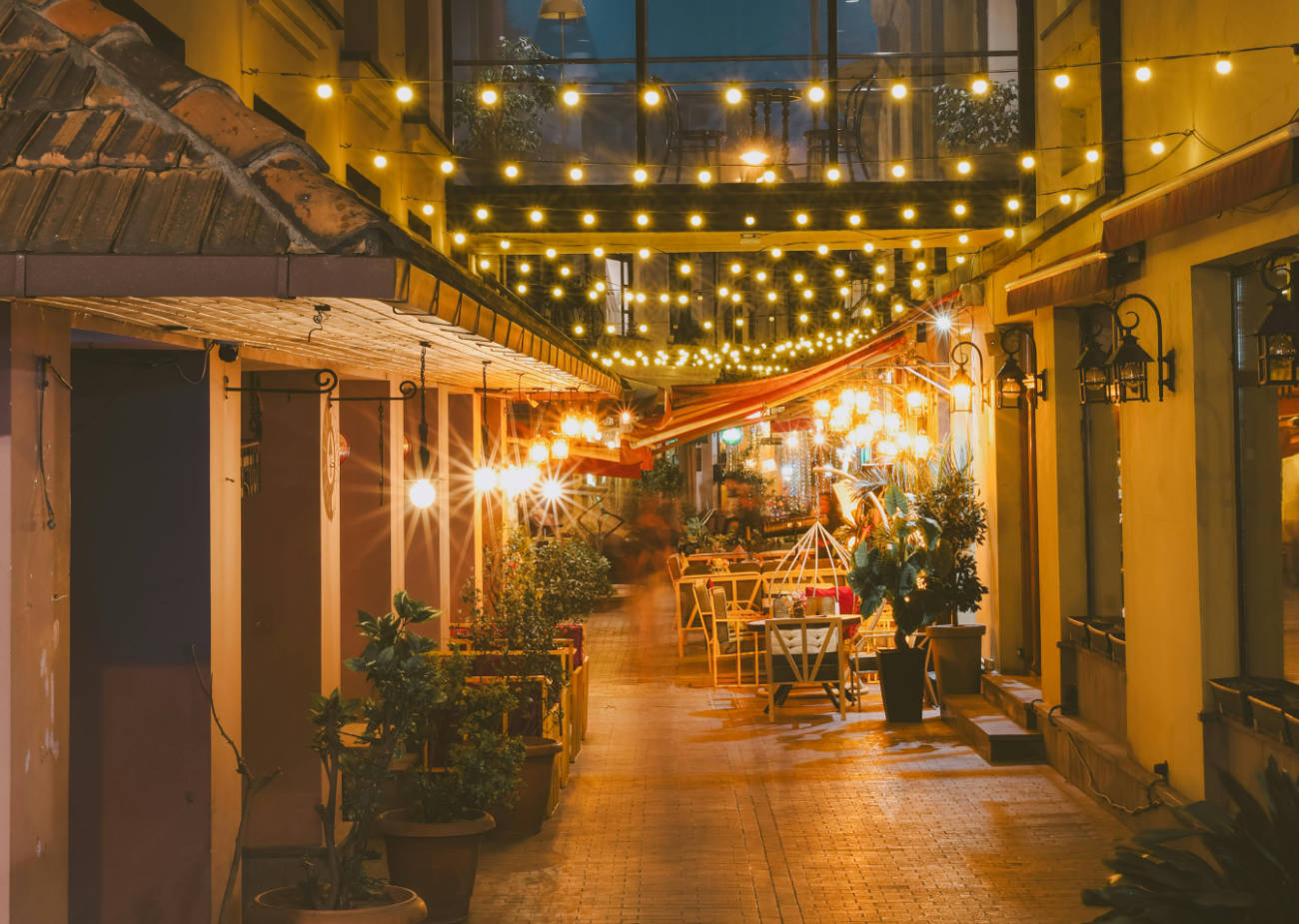
It started in Sololaki, just past a faded blue door tucked behind an art nouveau balcony. I wandered through a courtyard where laundry swayed between trees and a cat blinked at me like I didn’t belong. I almost turned back. But then I noticed a narrow staircase, cracked and overgrown, curling up behind the building like it was keeping a secret.
At the top—after a few cautious steps and a gentle push on a rusted gate—I found it. Not a lookout. Not a tourist stop. Just a rooftop, wide open and quiet, where you could see the domes of the old town and the golden curve of the Sameba Cathedral far in the distance. The sun was setting, washing the bricks in amber. Someone, somewhere below, was making soup. There was music playing—soft, scratchy, maybe coming from a radio. It felt like the whole city was breathing beneath me.
That’s the thing about Tbilisi. Its best views don’t announce themselves. They invite you gently—if you’re paying attention.
There’s another one I love too, just behind the Botanical Garden. It’s more of a hill, really—wild grass, a few scattered stones, the scent of thyme crushed under your shoes. No ticket booth, no crowds, no curated experience. But if you sit there as the city lights start to blink on, you’ll feel like you’ve been let in on something only a few people ever truly see.
And maybe that’s the difference.
The popular views show you the city.
The hidden ones let you <em”>feel it.
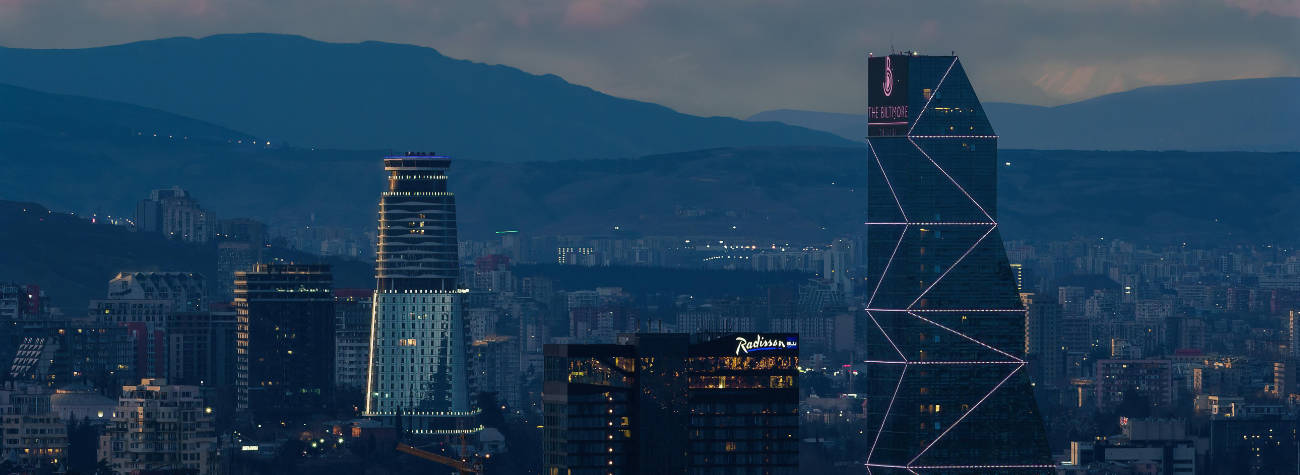
How to See Tbilisi with Your Heart, Not Just Your Camera
There’s a kind of magic that happens when you stop looking for the “top 10 things to do” and start following your own footsteps.
I used to rush from viewpoint to viewpoint, thinking that if I could just get high enough, wide enough, perfect enough, I’d finally capture what the city was. But what I’ve learned—what this city has taught me—is that Tbilisi doesn’t want to be captured. It wants to be felt.
You feel it in the quiet spaces:
A chipped teacup on a stranger’s balcony.
A warm hello from a grandmother passing by.
The hush of dusk over crooked rooftops.
Those little moments don’t always make it to Instagram—but they’re the ones that follow you home.
So here’s my advice: Don’t just aim for the tallest hill. Look for the staircase no one else is climbing. The one that disappears behind a vine-covered wall. Take the long way. Let yourself get a little lost. Bring a notebook instead of a checklist.
Tbilisi isn’t in a single view.
It’s in the way you learn to see.
And if you’re lucky—if you stay a little longer, look a little closer—you might just find a view that no one told you about. One that takes your breath away, not because of how it looks… but because of how it makes you feel.